
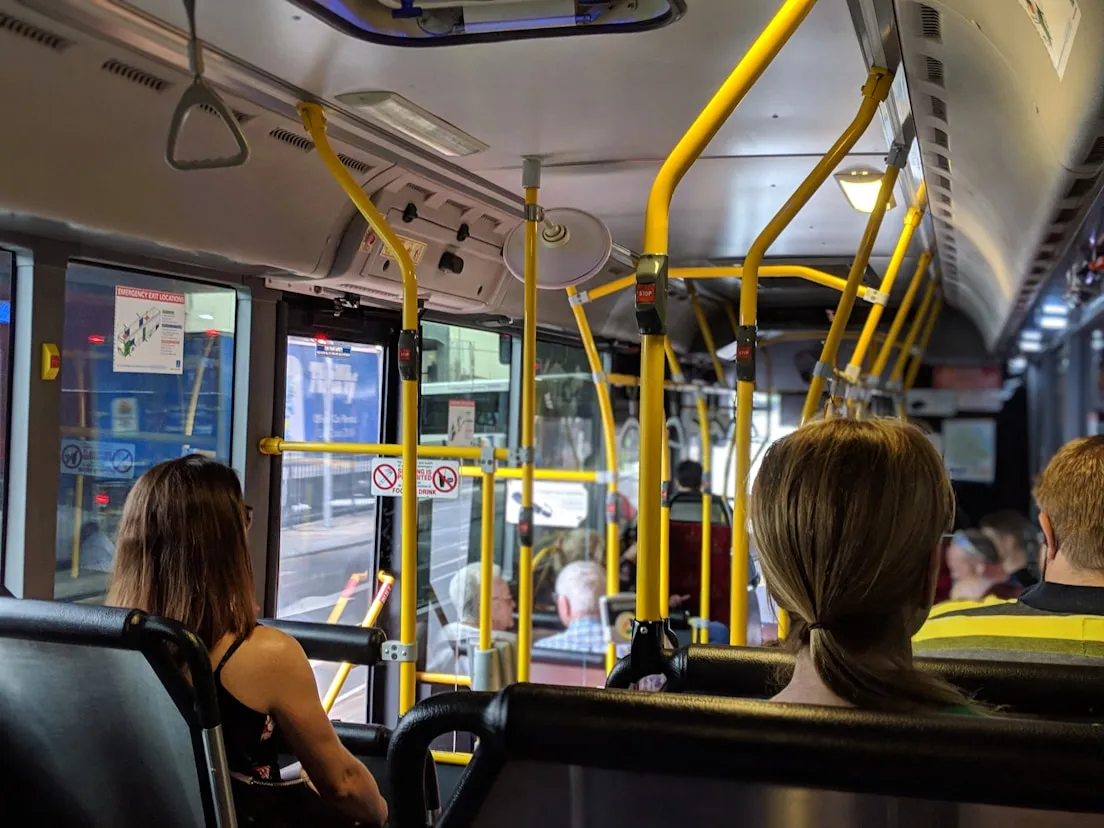
Without TAKO
Manual assignment that depends on one key person. The operation stalls if that person is missing, routes are set by experience and costs aren't optimized.
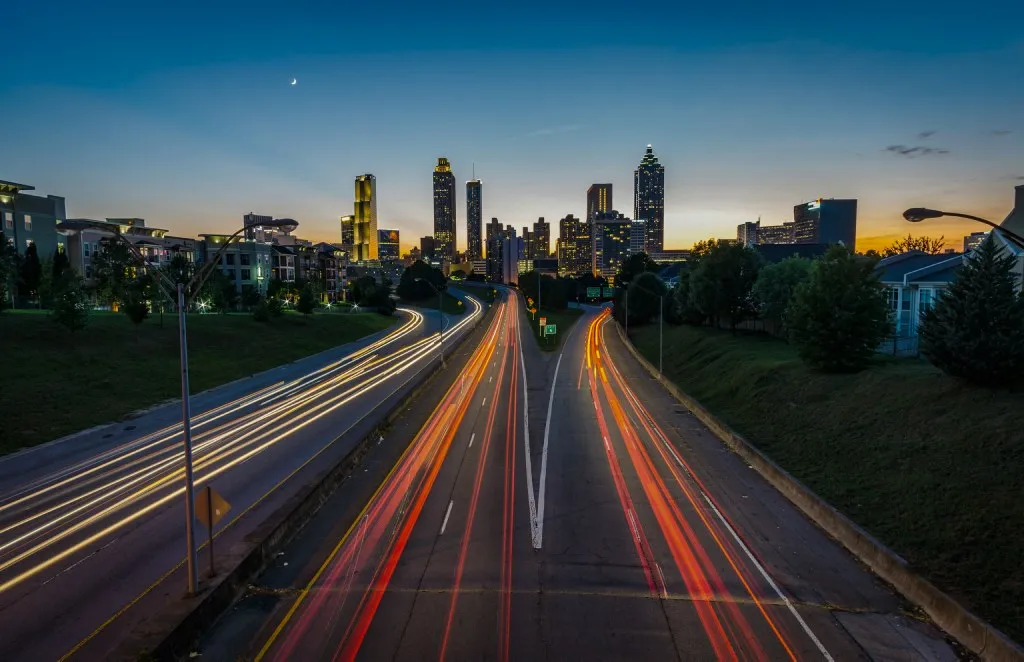
Most transportation companies assign drivers, routes and schedules by hand. It works until the person who does it isn't there. An optimization model removes that dependency and finds more efficient assignments than any manual calculation.
Manual assignment that depends on one key person. The operation stalls if that person is missing, routes are set by experience and costs aren't optimized.
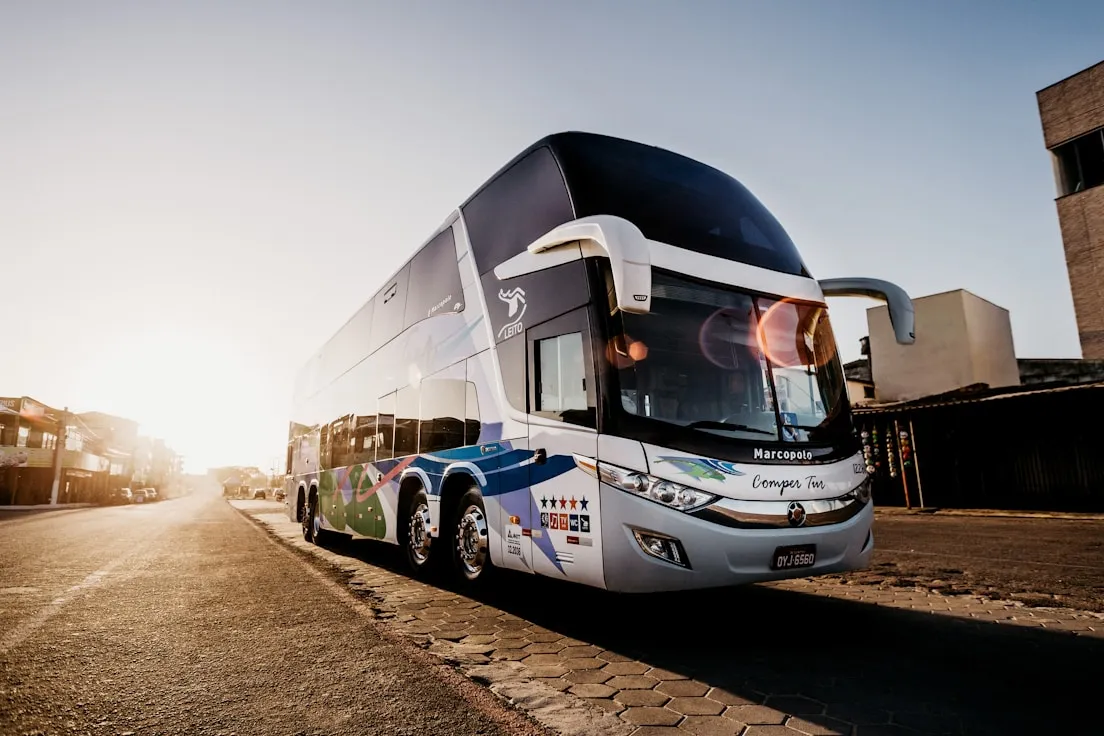
Automatic, optimized assignment that doesn't depend on any one person. The operation runs without interruption, routes are calculated by the model and costs are optimized with every assignment.
Available drivers, routes, legal constraints, schedules, costs. Everything that defines your daily operation.
The model evaluates every possible combination to find the optimal assignment. What takes hours to calculate by hand, TAKO solves in minutes.
Who drives which route, when and how. Implemented with Fanalca/Freeway.
The same methodology —immersion, modeling, implementation— applies to floriculture, tenders and other complex problems.
A conversation with someone who understands logistics, not a sales call.

